Plan repeat demand
Recurring consumables and tooling are grouped into forecastable lanes so buyers can reduce premium freight and avoid fragmented small shipments.
For fabrication plants, sustainability is not only a marketing pledge. It shows up in fewer emergency shipments, better consumable planning, longer equipment life, clearer service records and safer disposal of worn components. Amada’s sustainability approach focuses on the operational decisions that procurement and maintenance teams can actually influence. When repeat demand is forecasted, tooling is checked before shipment and service records stay organized, plants waste less time, packaging, freight and usable machine life.
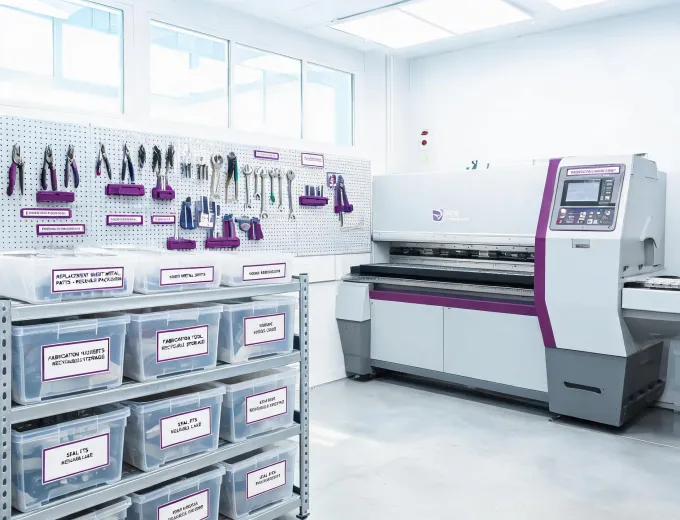
Amada supports a practical sustainability model built around traceable orders, controlled substitutions, planned replenishment and service-aware equipment use. The objective is not to claim that every shipment is perfect; it is to give buyers clearer levers for reducing avoidable waste. A documented reorder plan can consolidate freight. Correct tooling fit can prevent scrap. Service records can extend useful machine life. Certificate and packing discipline can reduce rework at receiving. These small controls compound across production sites, especially for buyers managing multiple laser, bending and punching assets.
Recurring consumables and tooling are grouped into forecastable lanes so buyers can reduce premium freight and avoid fragmented small shipments.
Compatibility reviews help prevent scrap, rejects and returns caused by the wrong tooling interface or unsupported replacement item.
Service notes and maintenance records help teams understand when replacement, calibration or adjustment is the responsible choice.
Share your recurring parts and tooling demand. We will help identify what can be planned, documented and consolidated.
Build a Responsible Supply Plan